Entry · Ref HO-WOLUH
A Local Guide to Jamaican Food in Denver
- Posted
- 2026-09-24
- Last amended
- 2026-09-24
- Account
- @zaneaxze062
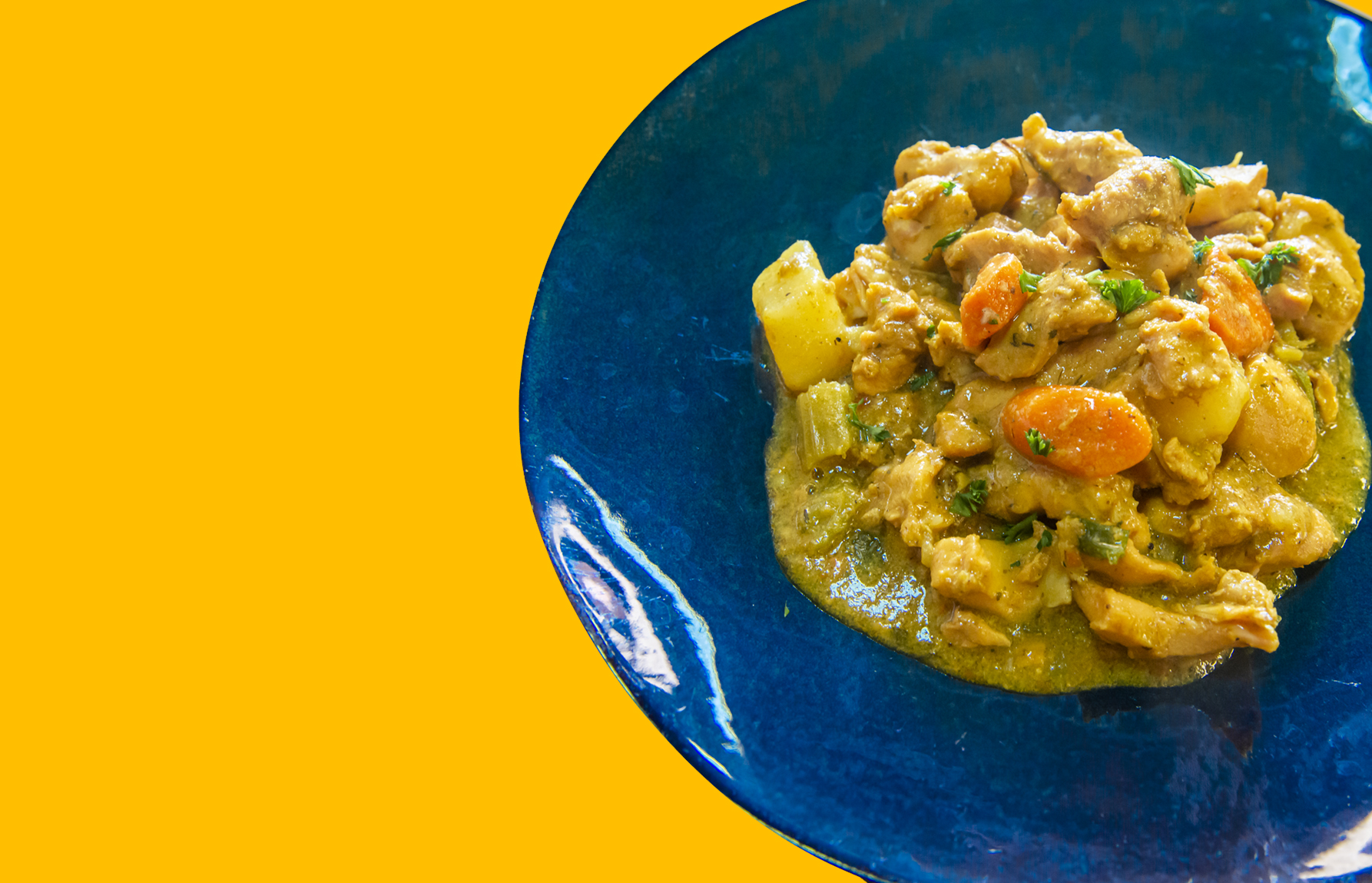
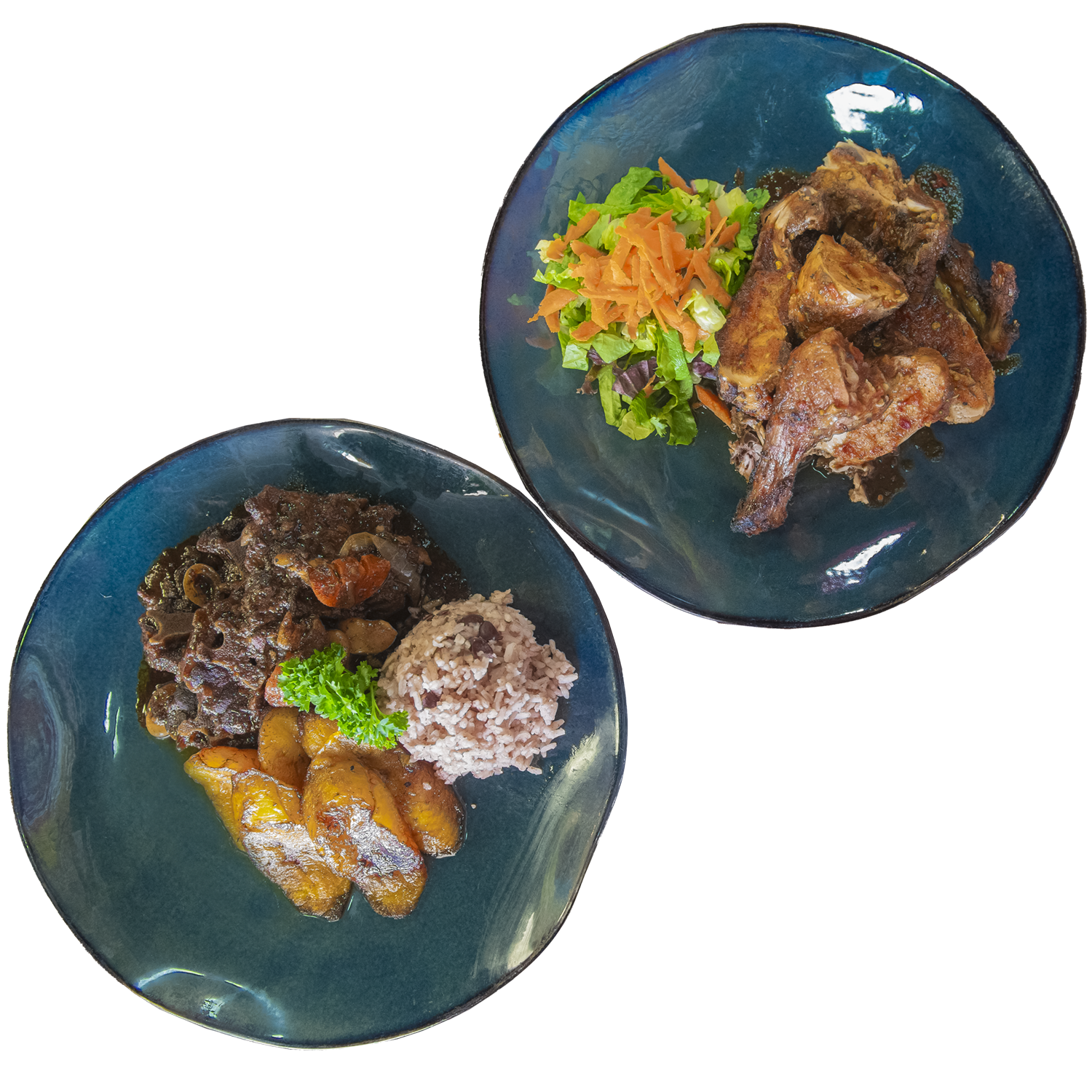
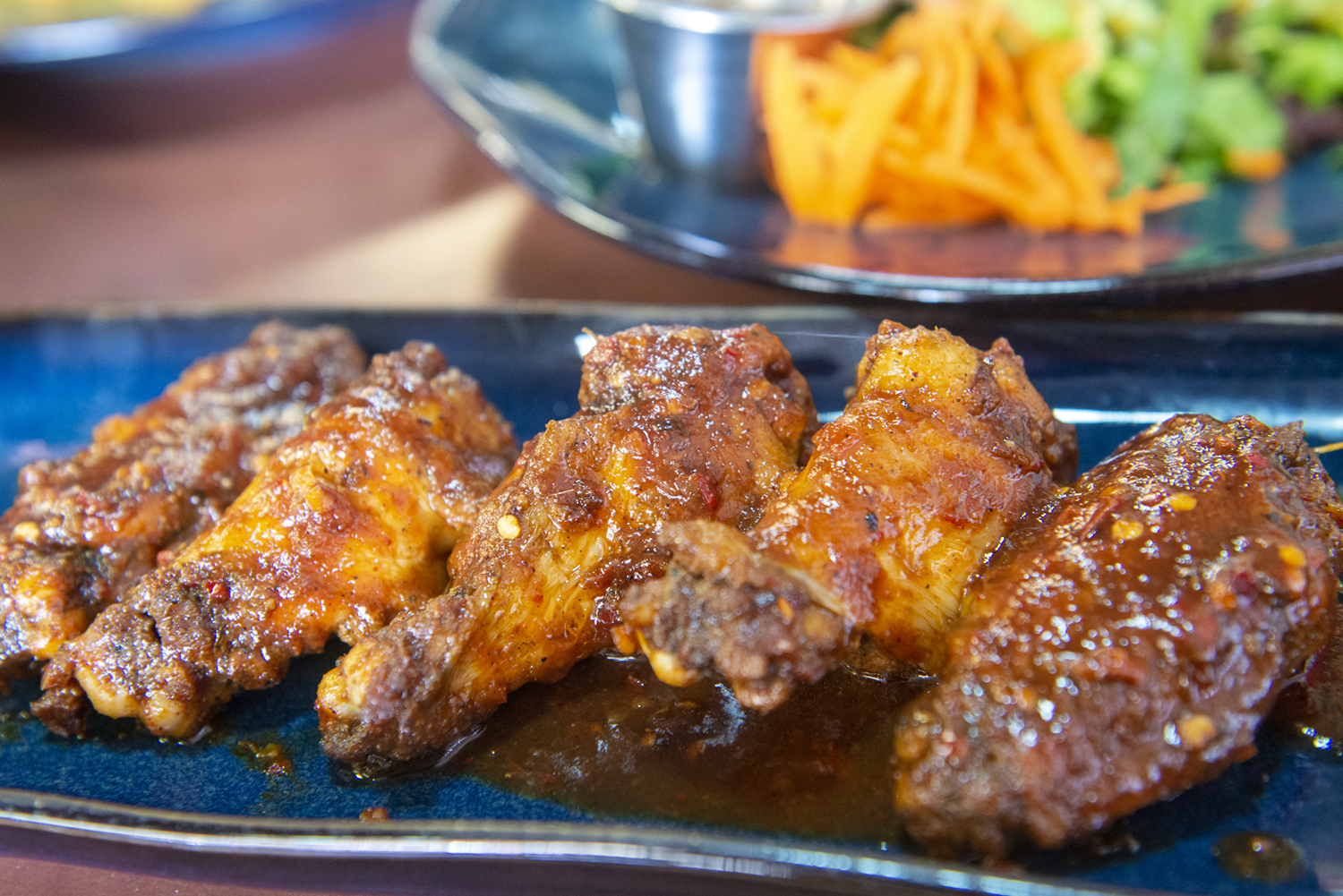
Denver is not the first American city most people associate with Jamaican cooking, and that is exactly why the local scene rewards a little curiosity. The best meals tend to come from places with regulars at the counter, steam clouding the sneeze guard, and the smell of allspice, thyme, scallion, and Scotch bonnet hanging in the room before you even see the menu. If you are searching for jamaican food denver, it helps to know what makes the cuisine distinctive, what to order first, and how the local market shapes what ends up on the plate.
Jamaican food is deeply layered. It is bold without being one-note, spicy without relying only on heat, and rich in a way that comes from patience more than excess. A proper braise tastes of time. A good jerk marinade tells you right away whether the kitchen respects balance. Rice and peas can look simple until you taste the coconut and thyme and realize how much care went into a side dish that many people treat like background.
In Denver, where diners are often spoiled for choice in Mexican, Vietnamese, Ethiopian, and New American restaurants, Jamaican food occupies a more niche lane. That can be a good thing. Smaller scenes often preserve stronger identities because the people seeking them out are there for a reason. They want the real flavor profile, not a flattened “Caribbean” catchall menu where everything tastes sweet and vaguely tropical. The better Jamaican kitchens in the metro area know their audience includes homesick transplants, seasoned eaters, and curious locals who are willing to go beyond jerk chicken and plantains.
What makes Jamaican cooking different
A lot of first-time diners walk in expecting one dominant flavor: spice. That is understandable, but it misses the point. Jamaican cooking is more about aromatic depth and contrast than brute force. Scotch bonnet peppers matter, but so do pimento, which many Americans know as allspice, fresh thyme, ginger, garlic, onion, and browning sauce. The cuisine builds savory, sweet, smoky, and herbal elements into the same bite.
That matters in Denver, because altitude and dryness change how people experience food. Dishes that feel merely warm and fragrant in a humid coastal city can read as sharper or leaner here if they are not cooked with enough body. The Jamaican restaurants that hold up in Denver tend to compensate with long braises, assertive seasoning, and starches that anchor the meal. You want gravies with some cling. You want rice that carries flavor, not just filler. You want cabbage with enough seasoning to stand beside the meat, not act as decoration.
It also helps to understand the difference between Jamaican food and a broader Caribbean menu. There is overlap across the region, of course, but Jamaican cooking has a particular signature. Jerk is one part of it, though Americans often reduce the cuisine to that one technique. Equally important are oxtail stewed until the connective tissue melts, curried goat with a rounded spice profile, patties with flaky pastry and assertive fillings, and sides such as rice and peas, fried plantains, festival, and steamed cabbage. Even drinks and desserts matter. Sorrel, ginger beer, rum cake, and sweet potato pudding all tell part of the story.
How to read a Denver Jamaican menu like a regular
The easiest mistake is ordering too cautiously. If you walk into a Jamaican spot in Denver and choose only whatever feels familiar, you will probably leave with a partial picture of the kitchen. Fried chicken or a generic grilled item may be perfectly competent, but they are not usually the reason people come back.
If you are new to the cuisine, start with one grilled dish and one braised dish if you are dining with company. That gives you a fast read on the restaurant. Jerk chicken shows you how the kitchen handles seasoning and smoke. Oxtail or curried goat shows you patience, stock work, and whether the gravy has depth. Add rice and peas even if you usually prefer plain rice. In Jamaican cooking, that side is part of the meal’s structure, not a neutral base.
A good patty is worth seeking out as a snack or light lunch, but it is not just a backup option. In many places, patties are the thing that develops a following because they travel well, satisfy quickly, and reveal a lot about consistency. You can tell when pastry has been held too long. You can also tell when a filling has been seasoned by someone who knows what they are doing. Beef patties should be savory and warm with spice, not greasy and dull. Chicken patties need moisture. Vegetable patties should taste intentional, not like the kitchen’s compromise for non-meat eaters.
If the menu includes escovitch fish, ackee and saltfish, or soup specials, pay attention. These dishes often indicate a kitchen that cooks for a broader Jamaican audience, not just for the American idea of Jamaican food. Availability can be inconsistent, which is normal. Smaller operations buy based on demand, labor, and supply. Treat those rotating or occasional items as opportunities rather than disappointments.
The dishes worth understanding before you order
Jerk chicken gets top billing for a reason, but it is also the dish most often misunderstood. Proper jerk is not simply grilled chicken with spicy sauce. It is a seasoning method rooted in pimento, thyme, pepper, scallion, ginger, garlic, and often a little sweetness to round things out. The best versions taste smoky, earthy, and hot in stages. You should get fragrance first, then char, then pepper. If a place in Denver cooks jerk over standard commercial equipment rather than a more traditional setup, the flavor can still be excellent, but you may notice less smoke and more emphasis on marinade. That is not automatically a flaw. It is simply one of the trade-offs of operating in a city restaurant environment.
Oxtail is often the dish that turns a curious diner into a loyal one. Done right, it is lush without becoming muddy. The meat should yield easily, and the gravy should carry beef richness plus sweetness from onions and browning, along with enough spice to keep it from feeling heavy. Oxtail is rarely cheap now. Rising beef prices have made it a premium order almost everywhere in the country. If a Denver restaurant charges more for it than for chicken or curry dishes, that is expected. What matters is whether the portion and flavor justify the spend.
Curried goat is another benchmark. Good versions have clean spice, not a thick anonymous yellow sauce. Goat has a distinct flavor, and a skilled kitchen works with it rather than masking it. In Denver, where some diners may be less familiar with goat, restaurants sometimes feel pressure to soften the profile. The better ones still keep the dish true to itself. The meat should be tender but not shredded into paste, and the gravy should be aromatic enough that you notice curry, thyme, and pepper separately.
Brown stew chicken deserves more respect than it gets. This is often the dish regulars order on a weekday because it delivers comfort without fanfare. You get chicken braised in a savory, slightly sweet gravy with peppers and onions, usually alongside rice and peas and vegetables. When made well, it is deeply satisfying and often one of the better value plays on the menu.
Then there are the sides, which are not afterthoughts. Plantains should be caramelized at the edges and soft in the middle. Steamed cabbage should retain some texture and not collapse into water. Mac and cheese, if offered, tends to reflect local demand as much as Jamaican tradition, so treat it as a house choice rather than an essential measure of authenticity. Rice and peas, on the other hand, is mandatory if you want the full picture. A dry, bland version usually signals a kitchen that has not nailed the basics.
Where Denver fits into the experience
Part of eating Jamaican food in Denver is accepting that you are engaging a smaller culinary ecosystem. In cities with larger Jamaican populations, you may find multiple bakeries, takeout counters, and late-night spots within a short drive. Denver is more scattered. You may need to cross neighborhoods, check hours carefully, or call ahead for specialty dishes. That does https://johnathanybrx314.westhavenscope.com/posts/best-jamaican-food-in-denver-for-spice-lovers not make the scene weak. It makes it more intentional.
The practical reality is that many Denver-area Caribbean restaurants serve mixed menus. You might see Jamaican staples alongside dishes from other islands, or alongside broadly American comfort food. Sometimes that broad menu is a red flag, but not always. In smaller markets, restaurants often widen the offering to support lunch traffic and family groups. The key is to notice where the kitchen’s confidence lies. If the Jamaican section feels like the heart of the menu, with distinct gravies, proper sides, and dishes that sell out, you are probably in good hands.
Another Denver-specific detail is timing. Some restaurants do their best work earlier in the day, especially with braised dishes. By late afternoon, popular items may be gone or holding on steam tables a little too long. If you are serious about trying the kitchen at its best, lunch can be the sweet spot. Weekend specials also tend to be stronger because that is when more destination diners show up. A busy Saturday service often tells you more than a sleepy midweek hour.
Weather even plays a small role. On a cold Front Range day, curry goat or chicken soup hits differently than it would in July. Denver diners often think of Caribbean food as warm-weather fare because of the association with beaches and fruit. In practice, Jamaican food shines in winter. The gravies, spices, soups, and starches are built for comfort.
What locals learn after a few visits
One of the pleasures of becoming a regular at a Jamaican restaurant is realizing that the “best” order changes with mood and timing. The obvious first order might be jerk chicken, but the most satisfying meal on a particular day could be stew chicken with extra gravy. Or a patty and a drink when you only have twenty minutes between errands. Or a full plate of oxtail on a Sunday when you want food that slows you down a little.
Portioning matters too. Jamaican plates can be generous, especially with rice and heavier proteins. If you are ordering for yourself, think about what you really want from the meal. If your goal is exploration, split two mains with someone and add a patty. If your goal is comfort, commit to one plate and save room for leftovers. Oxtail and curry often taste even better the next day after the flavors settle.
Heat tolerance is another point where judgment helps. Some diners assume every dish will be very spicy. Many are surprised to find that the heat level is moderate unless you add extra pepper sauce or order something built around fresh chile. That said, heat can vary dramatically by kitchen and day. Scotch bonnet peppers have personality. Respect them. If you like spice, ask what the kitchen recommends rather than blindly requesting “extra hot.” A cook who knows you actually want flavor, not pain, will usually steer you well.
Drinks matter more than people think. A sharp ginger beer can brighten a rich meal. Sorrel, when available, brings tartness and spice that pairs beautifully with jerk and curry. If a place offers house-made beverages, that is often a good sign. It shows attention beyond the hot line.
How to tell when a place is worth returning to
You do not need a formal scorecard, but a few details separate a memorable Jamaican restaurant from one that merely fills a craving. The biggest signal is whether the seasoning reaches beyond the surface. Good jerk tastes seasoned through. Good curry has depth in the sauce, not just powder on top. Good rice and peas does not require rescue from gravy.
Another marker is whether the kitchen respects texture. Oxtail should be tender, but still feel like meat. Plantains should be soft, not mushy. Patties should hold a crisp, flaky shell even after sitting briefly in a warmer. Cabbage should support the plate with freshness rather than disappear into it.
Then there is the less tangible part, which experienced diners notice immediately: confidence. Menus with clear strengths, staff who can explain what is available without hesitation, and a dining room filled with people ordering familiar favorites tend to signal a restaurant with staying power. That does not require polish in the fine-dining sense. In fact, some of the best Jamaican food in Denver comes from humble settings where nearly all the effort goes into the food itself.
A practical first visit
If you are heading out specifically for jamaican food denver, go in with a small plan. Not a rigid checklist, just enough strategy to avoid the common misses.
Order one signature protein, one braised dish if you can share, and rice and peas. If patties are available and fresh, add one. Ask whether any specials are house favorites. If the answer comes quickly, pay attention. Restaurants usually know what they do best. If you see a dish that is temporarily unavailable, resist the urge to take it as a bad sign. Sellouts can mean the opposite, especially with labor-intensive items.
Do not expect every Jamaican restaurant in Denver to deliver the same experience. Some lean home-style, with hearty portions and deeply savory gravies. Others put more emphasis on grilled items and lunch convenience. Some cater to neighborhood regulars. Others serve a more mixed crowd and smooth out the edges for broader appeal. The trick is not to judge all of Jamaican cooking by one plate from one place. This cuisine contains multitudes.
Why the search is worth it
Denver’s food culture often gets described through trend cycles: a hot new tasting menu, a wave of natural wine bars, a fresh crop of chef-driven casual spots. Those places have their audience, but there is a different kind of value in seeking out a cuisine with roots, memory, and repetition behind it. Jamaican food carries the kind of flavor that comes from methods passed down and refined through use, not market research.
That is what makes the hunt worthwhile. You are not just looking for something spicy or different. You are looking for food with identity. Food that knows what it is. When you find a Jamaican kitchen in Denver that gets the details right, the meal stays with you. The smoke of jerk. The dark sweetness of brown stew gravy. The tenderness of oxtail. The quiet importance of rice and peas done properly. Those are not passing impressions.
For locals, that means the city offers more than its most publicized dining lanes. For visitors, it means one of the smarter ways to eat in Denver is to skip the obvious and follow the aroma of thyme, pimento, and pepper instead. The Jamaican food scene here may be modest in size, but it has substance. And once you know what to look for, it becomes much easier to find the places that deserve your appetite.
Reggae Pot Jamaican Grill
Address: 2243 S Monaco St Pkwy #104, Denver, CO 80222
Phone number: +17204102956
FAQ About Jamaican Food Denver
What is typical Jamaican food?
Typical Jamaican food features bold, vibrant flavors created by blending African, Taino, European, and Asian influences.
What is a famous Jamaican dish?
Ackee and saltfish is Jamaica's national dish, made by sautéing the soft local ackee fruit with salted cod, onions, tomatoes, and spicy Scotch bonnet peppers.
What food is most popular in Jamaica?
The most popular and famous food in Jamaica is Jerk Chicken, celebrated worldwide for its smoky, spicy flavor.