Entry · Ref TD5KCOQ9
Discover Authentic Jamaican Food in Denver Today
- Posted
- 2026-09-24
- Last amended
- 2026-09-24
- Account
- @zaneaxze062
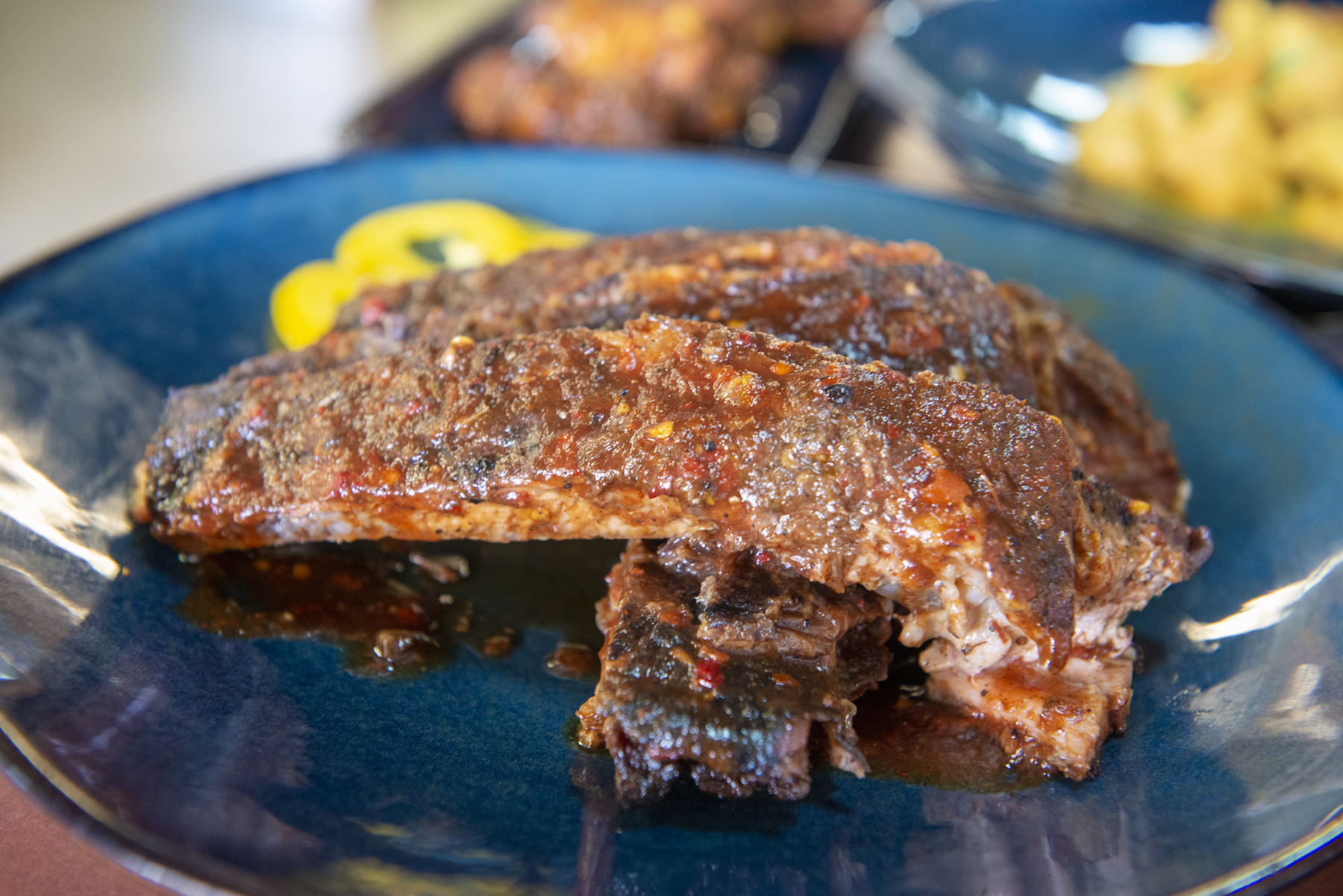
Denver is not the first city most people associate with jerk chicken, curry goat, or flaky beef patties, which is exactly why the local Jamaican scene can feel like such a rewarding find. When it is done well, Jamaican cooking delivers something many dining trends never manage to capture: depth without fuss, boldness without gimmicks, and comfort that lingers long after the plate is cleared. For anyone searching for jamaican food denver, the best meals are not simply hot or heavily seasoned. They are balanced, slow-built, and rooted in technique.
That matters more than people think. A lot of diners reduce Caribbean food to spice level alone, as if heat is the whole story. It is not. Authentic Jamaican food leans on layers: allspice, thyme, scallion, ginger, Scotch bonnet, garlic, pimento wood when possible, coconut milk in the right dishes, and the kind of marinating time that cannot be rushed. The result should taste alive, not loud for the sake of being loud.
Denver’s food culture has matured enough that diners are willing to go looking for that kind of integrity. Ten years ago, many neighborhoods were still dominated by a familiar rotation of burgers, pizza, upscale New American menus, and a handful of reliable international spots. Today, people are more curious and more informed. They ask where the oxtail was braised, whether the plantains were cooked to caramelized sweetness rather than just browned, and whether the rice and peas actually carry the fragrance of thyme and coconut. That shift has created room for Jamaican food to earn a real foothold.
What authentic Jamaican food should taste like
The easiest way to spot a strong Jamaican kitchen is to pay attention to restraint. That may sound strange when discussing such flavorful food, but authenticity often shows up in what a cook does not overdo. Jerk seasoning should not bury the chicken under a blanket of sugar. Curry should not turn into generic yellow gravy. Oxtail should not be a salty stew with the texture of pot roast. Each https://www.behance.net/reggaepotdenver dish has a distinct identity, and diners can tell the difference after just a few bites.
Jerk, for example, is one of the most misunderstood dishes on any Caribbean menu. Proper jerk carries smoke, spice, herbal freshness, and a gentle sweetness from the meat itself, not just from sauce. The best versions do not need to be drenched. A good jerk chicken plate in Denver should arrive with crisped edges, juicy interior meat, and seasoning that has clearly penetrated beyond the skin. If the spice hits only on the surface, the marinade probably did not have enough time to work.
Oxtail tells a similar story. This is not a shortcut dish. Done right, it takes patience. The meat should be tender enough to pull apart with a fork, but not so overcooked that it feels stringy or collapsed. The sauce should be glossy and rich, carrying notes of browning, onion, garlic, thyme, and butter beans. When a restaurant gets this right, the plate has gravity. People stop talking for a minute and focus on the food.
Then there is rice and peas, which often gets dismissed as a side. It should not be. In a serious Jamaican kitchen, rice and peas do more than fill space on the plate. They absorb sauce, provide aromatic contrast, and support the main dish with coconut richness and herbs. If the rice is dry, flat, or tastes like plain white rice stirred with beans at the last minute, the whole meal loses something essential.
Why Jamaican food works so well in Denver
Denver’s climate, pace, and dining habits make it a surprisingly good home for Jamaican cooking. This is a city that appreciates hearty food, especially for dinner. There is room here for slow braises, deeply seasoned grilled meats, fried fish, and starches that satisfy. On a cold evening, a plate of curry goat with rice and peas can feel every bit as restorative as a bowl of green chile or beef stew. Different culinary language, same sense of comfort.
There is also a practical side to the appeal. Jamaican food travels well when prepared carefully, which matters in a city where takeout and delivery are a major part of restaurant business. Jerk chicken, brown stew chicken, patties, and oxtail often hold their quality better in transit than more delicate dishes. That has helped Caribbean spots build loyal followings beyond the immediate neighborhood.
Denver diners also tend to reward restaurants that feel personal. Jamaican cooking often shines brightest in independently run businesses where recipes are family-based, portions are generous, and hospitality feels direct rather than polished for show. People remember being told which sauce has the real heat. They remember being urged to try the cabbage, or hearing that the patties just came out warm. Those details create trust.
The dishes worth seeking out first
If you are new to Jamaican food in Denver, start with the classics, but pay attention to how the kitchen handles them. The familiar names on the menu are where skill shows up most clearly.
Jerk chicken is still the benchmark. It gives you a fast read on seasoning, smoke, tenderness, and whether the kitchen respects the dish beyond its popularity. A strong version should have complexity before heat. Scotch bonnet should register, but it should not erase the allspice, thyme, and savory depth that make jerk distinctive.
Curry goat is another excellent marker because there is nowhere to hide weak technique. Goat needs careful handling. Too little time and it is tough. Too much heat too quickly and the sauce can break down into muddiness while the meat stays stubborn. The right plate will smell fragrant before it even hits the table.
Beef patties deserve more respect than they get. In the best Jamaican kitchens, the pastry is light and crisp, often with a slight shatter, while the filling stays moist and strongly seasoned. A patty is not just a snack. It is a condensed expression of the whole cuisine: portable, savory, practical, and deeply satisfying.
Escovitch fish, when available, is another dish worth ordering. It shows balance in a different register, less heavy than braised meats, more dependent on freshness and precision. The fish should be crisp, the pickled vegetables bright, and the acidity sharp enough to wake up the palate without turning harsh.
Plantains might seem simple, but they reveal discipline. Properly ripe plantains should be sweet, tender, and caramelized around the edges. Underripe plantains can taste starchy and one-note. Overhandled ones turn greasy. It sounds minor until you have a plate where everything, including the sides, has been cooked with care.
How to tell if a Denver Jamaican restaurant is the real thing
Authenticity is not about décor, reggae on the speakers, or the colors painted on the wall. It lives in the food first. Plenty of restaurants can create a Caribbean atmosphere. Fewer can turn out a lunch rush full of consistently good braised meats, fresh sides, and well-seasoned sauces.
The signs are usually subtle. Menus that stay focused tend to perform better than menus trying to represent every island at once. If a place offers a tight set of Jamaican staples and executes them well, that is often a good sign. So is a kitchen that treats side dishes seriously. Cabbage should be seasoned, not an afterthought. Mac and cheese, if served, should have its own personality instead of reading like a generic catering pan. Sorrel or ginger drink, when available, often tells you a lot about whether the menu has roots.
Service style can also be revealing. Many of the most memorable Jamaican meals are served in places that are warm and welcoming but not overly explanatory. Staff may assume the food speaks for itself. That is not rudeness. It is often confidence. At the same time, a good restaurant will still steer first-time diners toward dishes that travel well, sell out quickly, or come with more heat than expected.
Here are a few practical cues that often separate a serious kitchen from a superficial one:
- Jerk chicken tastes marinated through the meat, not just coated on top
- Rice and peas smell of coconut and thyme, not plain steam-table rice
- Oxtail sauce has body and depth, with butter beans that feel intentional
- Patties have crisp pastry and a filling that is fully seasoned
- Side dishes hold their own instead of acting as filler
None of these are rigid rules, but together they form a reliable pattern.
Heat, smoke, and seasoning, the details that matter
One of the most common misunderstandings around Jamaican food in Denver is the assumption that every dish should be aggressively hot. Spice tolerance is personal, and restaurants understandably adjust for a broad customer base. Still, there is a difference between approachable seasoning and stripped-down flavor. A kitchen should be able to moderate heat without flattening everything else.
That is especially true with jerk. Heat is part of the profile, but smoke is just as important. Traditional jerk methods rely on wood smoke and slow cooking, and while every Denver restaurant does not have access to the same setup, the best cooks find ways to preserve some of that character. You can taste the effort when the chicken has char, aromatic spice, and savory depth rather than a generic sweet heat.
Brown stew chicken often gets overlooked because it sounds plain. It is not. When cooked well, it showcases another side of Jamaican food, one that is less fiery and more rounded. Browning sauce adds color and subtle bittersweet richness. Bell peppers, onions, and tomatoes build the body. This is the sort of dish that earns repeat customers because it tastes like someone cared about the pot from start to finish.
Then there is the role of freshness. Scotch bonnet, thyme, scallion, and ginger all lose something when they are treated as shelf-stable afterthoughts. A fresh marinade tastes brighter, sharper, more dimensional. Denver’s better Jamaican kitchens understand that, and you can usually tell by aroma alone.
What to order on your first visit
If you only get one shot to judge a place, order a combination that gives you contrast. You want one dish that tests technique, one that reveals the kitchen’s seasoning style, and at least one side that shows whether details matter.
A first visit often goes best when you build around one braised dish and one grilled or roasted dish. Oxtail plus jerk chicken is a strong pairing if you are dining with someone else. Add rice and peas, cabbage, and plantains, and you will have a broad sense of the kitchen’s range without ordering half the menu.
For solo diners, jerk chicken with rice and peas is the most sensible entry point. It is usually one of the fastest reads on the kitchen and often one of the best values on the menu. If patties are available, add one. They travel well, and they make an excellent next-day snack if the portions are generous.
If you are ordering takeout, keep a few things in mind:
- Ask which dishes are strongest that day, especially if oxtail or fish is available
- Request sauce on the side when possible for fried items
- Reheat patties in an oven or toaster oven, not the microwave, if you want the crust back
- Expect some dishes to sell out earlier than standard dinner hours
- If you are heat-sensitive, ask whether the spice is in the dish itself or mainly in the sauce
Those simple questions can turn an average first experience into a much better one.
Denver neighborhoods and the search for good Caribbean food
Part of the fun of exploring jamaican food denver is that it does not always announce itself in flashy restaurant rows. Some of the strongest meals come from modest storefronts, takeout-focused spots, or multi-cuisine neighborhoods where diners already value family-run businesses. That can be an advantage. Restaurants built around local regulars often maintain higher consistency than places that depend mostly on one-time novelty traffic.
It is worth being flexible about where you dine. Sometimes the best Jamaican food in a metro area sits a little outside the trendiest districts, where rents are lower and operators have room to build a steady customer base. In practice, that may mean driving farther than you would for a casual lunch downtown. The trade-off is often better food, larger portions, and a more grounded experience.
Parking, wait times, and ordering systems matter too. Smaller restaurants may not have polished digital ordering or large dining rooms. If a place gets backed up during lunch or early dinner, that is not automatically a red flag. In fact, a busy kitchen moving through trays of fresh food can be an excellent sign, provided the staff stays organized and the food arrives hot.
The role of community in the dining experience
Jamaican food is hard to separate from the sense of community that often surrounds it. The best restaurants do more than serve plates. They create continuity. Regulars know what day the soup is available, which dishes go fast, and when fresh patties come out. New diners get folded into that rhythm pretty quickly.
That atmosphere matters because Jamaican cooking is deeply social food. It is food for gatherings, family tables, late lunches that stretch into conversation, and takeout runs that feed more people than planned. In Denver, where many residents are transplants, restaurants that offer that kind of grounded hospitality tend to stand out. People are not only looking for flavor. They are looking for places that feel anchored.
For anyone with Jamaican roots or broader Caribbean ties, authenticity can carry emotional weight. A meal that gets the seasoning right can offer recognition as much as pleasure. For diners without that personal connection, the value is still immediate. You taste a cuisine with structure, memory, and purpose behind it. That always lands differently than food designed mainly for trend appeal.
Pairings that make the meal better
Drinks and sides are often where people miss an opportunity. A rich plate of oxtail or curry goat benefits from something refreshing on the side. If a restaurant offers sorrel, ginger drink, or a well-made fruit juice, it is worth trying. Those beverages are not decorative. They cut through richness and add another layer of the experience.
Festival, when available, is another side worth seeking out. Slightly sweet and fried until golden, it works beautifully with spicy meats and tangy sauces. It is also a good example of Jamaican cooking’s balance. The cuisine is not all heat and savory weight. There are small sweet notes threaded throughout, often in exactly the right places.
Even cabbage, often underestimated, can transform a plate. Lightly cooked with seasoning and still carrying some texture, it brings freshness that offsets heavier mains. When a restaurant gets the cabbage right, it usually means the kitchen pays attention to the whole plate.
Why the best Jamaican meals stay with you
A memorable Jamaican meal in Denver tends to linger for a simple reason: it satisfies on more than one level. Yes, it fills you up. Yes, the spice and smoke can be thrilling. But the stronger impression usually comes from balance. The meal feels complete. Tender meat, aromatic rice, sweet plantains, bright cabbage, spicy sauce, flaky pastry, cold sorrel, all of it moves together.
That kind of meal is not accidental. It comes from cooks who understand timing, marination, texture, and restraint. It comes from restaurants that refuse to flatten a proud cuisine into a one-note version of itself. And it comes from diners willing to look beyond the obvious and trust a place that may be small, busy, or tucked away.
If you are hungry for something with soul, structure, and a real sense of place, the search for jamaican food denver is worth making. Order the jerk. Try the oxtail. Do not ignore the patties. Notice the rice. Listen to what the staff recommends. The city has more to offer than many people realize, and once you find a Jamaican kitchen that gets the details right, it tends to become the sort of place you talk about often and return to without hesitation.
Reggae Pot Jamaican Grill
Address: 2243 S Monaco St Pkwy #104, Denver, CO 80222
Phone number: +17204102956
FAQ About Jamaican Food Denver
What is typical Jamaican food?
Typical Jamaican food features bold, vibrant flavors created by blending African, Taino, European, and Asian influences.
What is a famous Jamaican dish?
Ackee and saltfish is Jamaica's national dish, made by sautéing the soft local ackee fruit with salted cod, onions, tomatoes, and spicy Scotch bonnet peppers.
What food is most popular in Jamaica?
The most popular and famous food in Jamaica is Jerk Chicken, celebrated worldwide for its smoky, spicy flavor.