Entry · Ref AIXHBU9H
Hidden Gems for Jamaican Food in Denver
- Posted
- 2026-09-24
- Last amended
- 2026-09-24
- Account
- @zaneaxze062
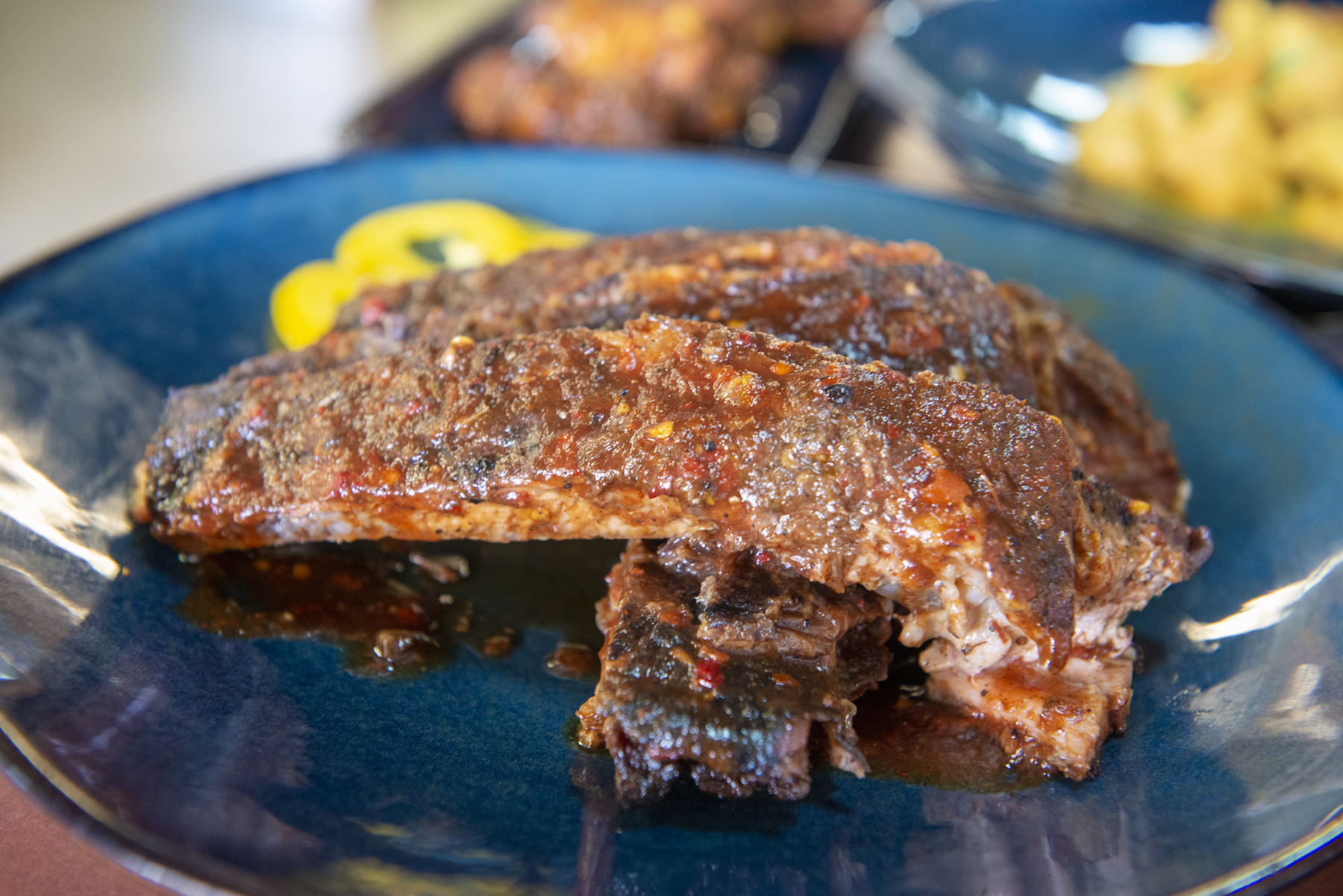
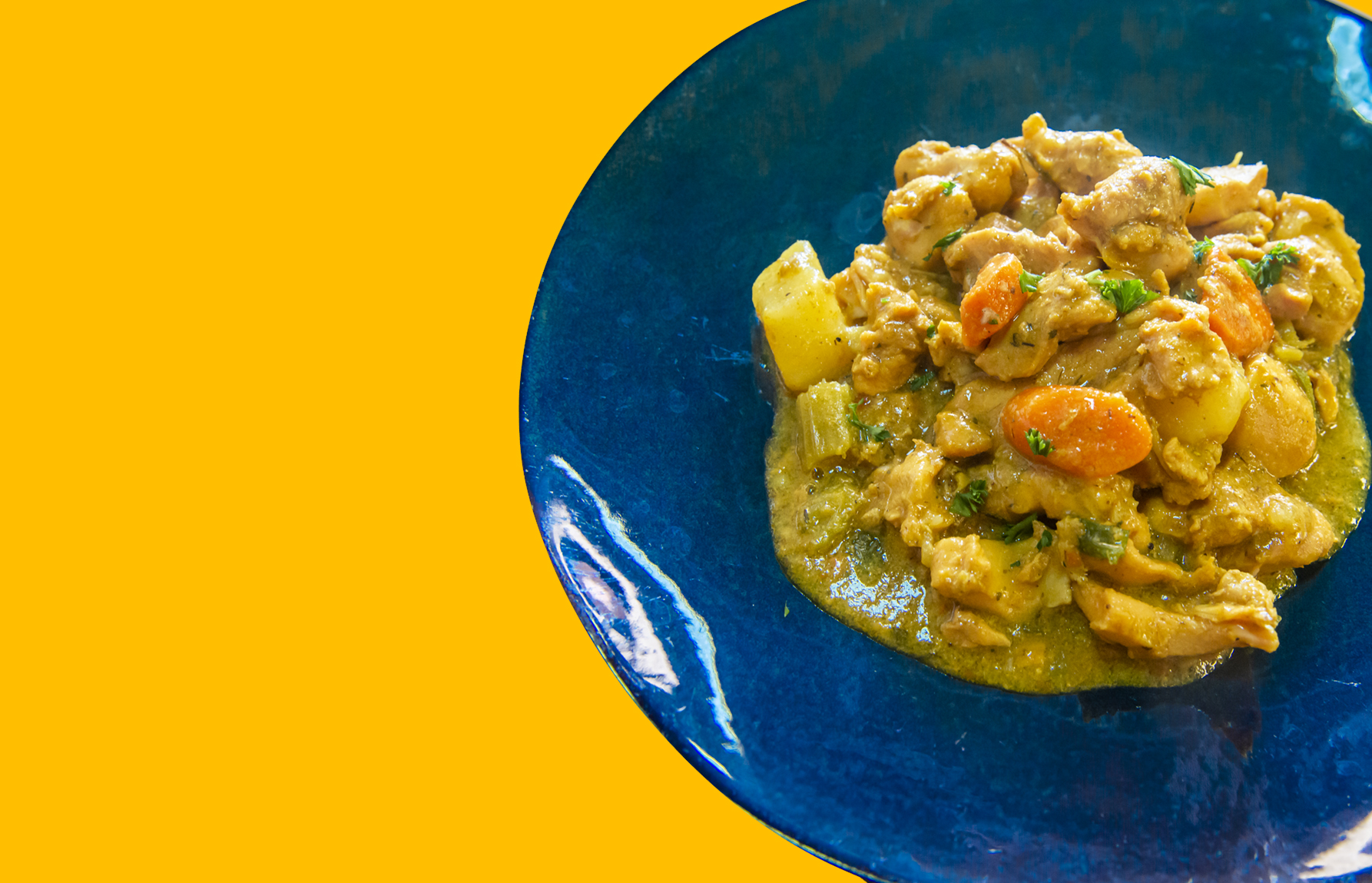
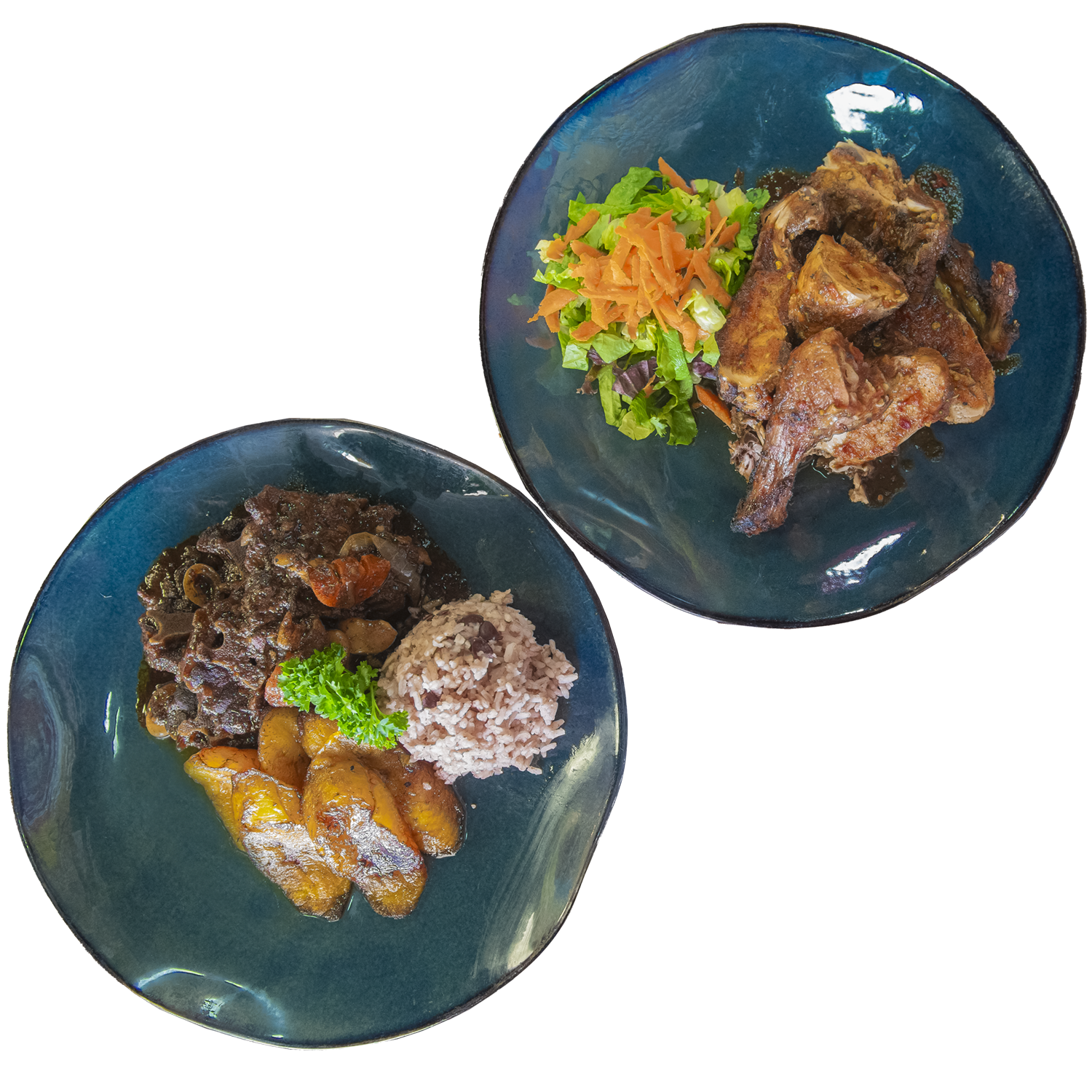
Denver does not have the largest Caribbean dining scene in the country, and that is exactly why the best Jamaican meals here can feel so rewarding. You do not stumble into them the way you might in parts of South Florida or New York. You hear about them from a friend who swears by a jerk chicken plate sold out of a modest storefront. You spot a hand-painted sign for oxtail on a side street you have driven past a dozen times. You order a beef patty almost as an afterthought, then spend the next week thinking about the crust.
That is the shape of the search for great Jamaican food in Denver. It is less about flashy dining rooms and more about cooks who know how to coax depth from thyme, scallion, Scotch bonnet, allspice, and slow time. The hidden gems are often hiding in plain sight, tucked into strip centers, shared kitchens, neighborhood counters, and pop-up schedules that reward people who pay attention.
If you are looking for the best jamaican food denver has to offer, it helps to approach the city with the right expectations. The scene is smaller, a bit more scattered, and often more personal than in cities with long-established Caribbean enclaves. That does not mean you have to settle. It means you have to know what to look for.
What makes a place a true hidden gem
A hidden gem is not just a restaurant that lacks marketing. Plenty of places are obscure because they are forgettable. The Jamaican spots worth seeking out tend to share a few signals that become obvious once you have spent enough time eating around the city.
First, the menu is usually focused. A place that does jerk chicken, curry goat, oxtail, rice and peas, patties, and a handful of sides well is far more promising than a place trying to cover half the Caribbean and several unrelated comfort-food categories at once. Jamaican cooking rewards patience and repetition. Oxtail has to be braised properly. Goat curry needs enough time for the meat to tenderize and the spice blend to settle into the sauce. Rice and peas should not taste like a generic side dish from steam trays.
Second, aroma matters. The scent should hit before the plate does. Pimento, smoke, warm curry spice, onions sweating on the stove, sweetness from caramelized browning sauce, maybe a little pepper in the air. If the room smells flat, the food often follows.
Third, the side dishes tell you a lot. Cabbage that still has texture, plantains with actual caramelization instead of pale softness, mac and cheese that tastes baked rather than poured from a pan, and rice that carries coconut and herb without becoming mushy, these are the details that separate a good meal from a plate you politely finish and never revisit.
The final marker is consistency in the dishes that take the most work. Any kitchen can produce a decent fried item on a good night. It takes more discipline to serve tender oxtail with properly reduced gravy, or jerk chicken that is flavorful all the way through instead of just stained on the outside. In a city like Denver, where the Jamaican food ecosystem is smaller, consistency is often the clearest sign that someone is cooking from experience, not just from a trend.
Why Denver’s Jamaican scene rewards curiosity
One reason people underestimate Jamaican food in Denver is geography. The city is not known nationally for Caribbean cuisine, so diners often assume the good versions must be elsewhere. There is some truth in that. If you grew up in Kingston, Brooklyn, or Fort Lauderdale, you may not find the same density of options here. But density and quality are not the same thing.
Denver’s food culture has matured in a way that favors specialists. Small operators can survive by building a loyal local following rather than courting mass appeal. That has created room for Jamaican cooks to serve food that tastes personal instead of diluted. Sometimes that means a restaurant with limited seating and irregular hours. Sometimes it means a food truck that sells out of jerk chicken before dinner. Sometimes it means a crossover menu, where wings or sandwiches sit next to classic island plates because that is what keeps the lights on in a competitive market.
There is also a practical point that regular diners learn quickly. In a smaller scene, cooks notice repeat customers. Ask a good question about the brown stew chicken, show up again for patties, and you start getting the kind of recommendations that never appear on delivery apps. Hidden gems often stay hidden because their best publicity is still word of mouth.
The dishes that separate the serious kitchens from the average ones
If you want to judge Jamaican food fairly, do not start with the safest order. Start with the dishes that require technique.
Jerk chicken is the obvious benchmark, but it is also the easiest to misread. In Denver, you will sometimes find versions that lean sweet, or versions that favor dry spice over smoke because a full traditional jerk setup is difficult to replicate in some commercial spaces. Good jerk should bring layered heat, not one-note burn. You want allspice warmth, thyme, scallion, garlic, pepper, and a charred edge that tastes intentional. The meat should stay juicy. If the chicken is dry, the rest of the seasoning hardly matters.
Oxtail is even more revealing. Proper oxtail should arrive glossy and rich, with meat that gives way but does not collapse into strings. The gravy should be deep and savory, often with butter beans adding body and creaminess. This is not a dish that can be rushed, and it usually costs more for a reason. When a Denver kitchen does it well, order it. You are tasting commitment.
Curry goat tells you whether the spice work is thoughtful. A strong version has distinct curry character but does not taste dusty or harsh. The sauce should cling to the meat and rice, not pool into an oily layer. Goat also exposes how well a kitchen handles texture. The meat should be tender enough to enjoy, but still feel like goat. If it has gone mushy, the braise went too far.
Beef patties deserve more respect than they get. At a weak restaurant, they function as filler. At a great one, they are a compact lesson in balance: flaky crust, seasoned filling, enough moisture, enough pepper, and a shape that holds heat without turning soggy. I have had excellent full meals ruined by a lazy patty, and modest counters redeemed by one impeccably baked hand pie.
Then there is escovitch, whether fish or another protein. This dish is where acidity, heat, and texture need to line up. The pickled vegetables should brighten the plate, not overwhelm it. In Denver, where rich comfort food often dominates cool-weather cravings, escovitch can be the dish that reminds you Jamaican cooking is not just about heaviness. It can be sharp, lively, and disciplined too.
Where the hidden gems usually hide
The best jamaican food denver diners talk about is not always in the neighborhoods most visitors prioritize first. You are as likely to find a memorable meal near a busy commercial strip or in a low-key suburban pocket as you are in a polished central dining district.
That pattern makes sense. Jamaican food often thrives where rent is manageable and regulars return for substantial plates rather than atmosphere. A dining room with expensive design can be nice, but it does not improve curry goat. In fact, some of the strongest meals in Denver come from places where the money clearly went into the kitchen, not the furniture.
Food trucks and temporary kitchens matter too. Denver has long supported mobile food concepts, and that flexibility suits cuisines built around marinated meats, stewed dishes, and loyal followings. A truck can show up at breweries, events, and neighborhood gatherings, reaching customers who might never dedicate an evening to searching out a Caribbean restaurant. For diners, that means the hidden gems are sometimes moving targets. Following local vendors online can be more useful than relying on static review sites.
One practical reality is that some excellent Jamaican cooking in Denver operates on island time in the best and worst senses of the phrase. Hours may be narrower than a chain restaurant’s. A dish may run out. A family emergency may shift the week. If that frustrates you, you will miss some very good food. If you adjust and treat it as part of eating from small independent kitchens, you will usually be rewarded.
How to order if you want the best first impression
A lot of people sabotage their first visit by ordering too cautiously. They get plain chicken, skip the sides, and leave wondering what the fuss was about. Jamaican food is built around combinations, contrast, and intensity. One plate tells only part of the story.
If you are trying a new place, build your order around a slow-cooked main and at least one item that shows the kitchen’s personality. If you always choose the cheapest combo, you may never see what the restaurant actually does best. That does not mean you need to spend recklessly. It means one well-chosen extra can change your read on the whole kitchen.
Here are the combinations I recommend most often:
- Oxtail with rice and peas, cabbage, and a patty to split
- Jerk chicken with plantains and a side of mac and cheese
- Curry goat with rice and peas, plus whatever house-made drink is available
- Brown stew chicken with cabbage, then a slice of rum cake if offered
- Escovitch fish, when it is clearly a specialty and not an afterthought
That list is not about maximalism. It is about range. You want to taste how the kitchen handles smoke, braise, starch, vegetables, sweetness, and spice. After one plate like that, you will know whether the place deserves a second visit.
The side dishes are not filler
This point is worth dwelling on because many diners overlook it. In Jamaican cooking, sides are structure. They absorb heat, soften intensity, add sweetness, bring freshness, and turn rich sauces into full meals rather than isolated bites.
Rice and peas sounds simple until you eat enough versions to notice the differences. The best batches are fragrant and distinct, with coconut present but not perfumed to excess. The peas, usually kidney beans in many restaurant versions, https://israelxxlv120.alderbrief.com/posts/where-to-eat-the-best-jamaican-food-in-denver should integrate into the rice rather than sit on top like an afterthought. If the rice is bland, a whole category of entrées starts feeling heavier than it should.
Cabbage is another quiet test. When it is done well, it brings just enough crunch and vegetal sweetness to reset your palate between bites of jerk or oxtail. When it is overcooked, it becomes limp and forgettable. Good cabbage can make a large plate feel surprisingly balanced.
Plantains are where many Denver kitchens either charm you or disappoint you. Sweet plantains should have real caramelization and enough color to develop flavor. Pale yellow slices with no browned edges are almost always underdone. Proper plantains are one of the easiest ways to spot cooks who care about finishing touches.
Even mac and cheese, which is not uniquely Jamaican in origin, can tell you whether a place understands comfort-food texture. In this setting, it should feel robust and baked enough to stand beside strongly seasoned meats, not creamy in a timid, cafeteria style.
Spice, heat, and the Denver adjustment
Anyone searching for jamaican food denver restaurants often asks the same question first: how spicy is it? The honest answer is that heat levels vary wildly from kitchen to kitchen, and they should. Scotch bonnet heat is part of the tradition, but so is balance.
Many Denver restaurants dial heat according to their customer base, which is understandable. A kitchen that scorches every first-time diner out of the room is not likely to last. But there is a difference between moderating heat and flattening flavor. The best cooks preserve the aromatic backbone of the cuisine even when they hold back on raw fire.
If you truly enjoy spice, ask whether the kitchen has house pepper sauce or can make the jerk hotter. Ask respectfully, not like you are issuing a challenge. Good cooks can usually tell whether you want flavor or just bragging rights. The former earns better results.
Altitude does not directly change the spice profile, but Denver’s dry climate does influence how people experience food. Rich, saucy, deeply seasoned meals can feel especially satisfying in cool weather here, and the contrast of sweet plantains or tangy sorrel becomes even more welcome. That may be one reason Jamaican comfort dishes resonate so strongly with regulars once they find their place.
Service style and what to expect
One thing I appreciate about many small Jamaican spots is that service often reflects the food: direct, warm, and unconcerned with theater. You may not get polished fine-dining pacing. You may get a brief conversation at the counter, a practical recommendation, and a plate packed heavier than expected. For this style of meal, that is often exactly right.
That said, expectations matter. If you arrive right before closing and order braised dishes that sold steadily all day, options may be limited. If a kitchen is making patties in-house or grilling jerk to order, a little patience is reasonable. The best strategy is to go in understanding that made-with-care food does not always move at fast-casual speed.
For takeout, packaging can be a hidden issue. Sauced dishes travel well. Fried elements and certain grilled items lose texture during long drives. If you live across the metro area and finally found a promising Jamaican counter, order with travel in mind. Oxtail and curry goat tend to hold beautifully. Jerk chicken can go either way depending on how it is packed. Patties are usually best eaten quickly, before steam softens the crust.
How to tell if a place is worth returning to
A first meal gives you excitement. A second meal gives you truth.
If a restaurant nails one signature item, that is promising. If it reproduces that quality on a second visit, perhaps on a different day and with different sides, now you have a hidden gem. Denver’s Jamaican dining scene is small enough that repeatability matters more than novelty. One excellent festival plate does not tell you whether a business can maintain standards through lunch rushes, winter lulls, and ingredient fluctuations.
Pay attention to the small things. Is the rice as good the second time? Does the cabbage still have life? Is the gravy seasoned from within, or merely salty? Has the jerk remained balanced, or was your first visit a lucky night? These are the questions experienced diners ask because they have learned how easy it is to confuse strong seasoning with strong cooking.
A place becomes part of your regular rotation when it does not need to surprise you anymore. It simply feeds you well.
A short strategy for finding the real standouts
If you are still trying to narrow the search, use a simple approach that saves time and bad meals.
- Look for focused menus rather than sprawling ones
- Prioritize places where slow-cooked dishes seem central, not secondary
- Check recent customer photos for color, texture, and portion quality
- Visit at peak meal times, when signature dishes are freshest
- Return once before declaring any place your favorite
That is how locals usually separate the merely decent from the places worth driving across town for.
The pleasure of discovering your own favorite
The best part of hunting down Jamaican food in Denver is that personal loyalty forms quickly. Once you find a plate that hits the right notes, maybe smoky jerk with proper char, maybe deeply savory oxtail with rich gravy and balanced rice, it becomes more than a restaurant recommendation. It becomes the answer to a particular kind of craving that no other cuisine solves quite the same way.
You start building rituals around it. Maybe it is a Friday takeout order after a long week. Maybe it is the food you bring home when the weather turns cold and dry. Maybe it is the place you take skeptical friends who think Denver cannot possibly do Caribbean food well. Watching someone go quiet halfway through a great curry goat plate is one of the more satisfying forms of local food advocacy.
Hidden gems earn that loyalty because they tend to feel specific. They are not trying to be everything to everyone. They are trying to serve food with memory behind it, food that carries technique, patience, and pride. In a city where trends often move fast, that kind of cooking stands out.
If you are serious about finding great jamaican food denver can absolutely reward the effort. You may need to drive a little farther, wait a little longer, or order beyond your comfort zone. But that is often how the best meals happen. Not with the loudest opening, the slickest branding, or the most polished location. Just with a cook who knows what jerk should taste like, how long oxtail needs, and why the cabbage matters.
That is the real map to Denver’s hidden gems. Follow the aroma. Trust the small places. Order the braise. And never underestimate a city that makes you work a little for the food you remember most.
Reggae Pot Jamaican Grill
Address: 2243 S Monaco St Pkwy #104, Denver, CO 80222
Phone number: +17204102956
FAQ About Jamaican Food Denver
What is typical Jamaican food?
Typical Jamaican food features bold, vibrant flavors created by blending African, Taino, European, and Asian influences.
What is a famous Jamaican dish?
Ackee and saltfish is Jamaica's national dish, made by sautéing the soft local ackee fruit with salted cod, onions, tomatoes, and spicy Scotch bonnet peppers.
What food is most popular in Jamaica?
The most popular and famous food in Jamaica is Jerk Chicken, celebrated worldwide for its smoky, spicy flavor.